Mobile Forensic Extraction: Physical vs. Logical Imaging Across iOS Secure Enclave and Android TEE
Cleanroom extraction standards in corporate device seizures, analyzing Apple SEP and Android TEE architectures, File-Based Encryption (FBE), and volatile RAM acquisition.
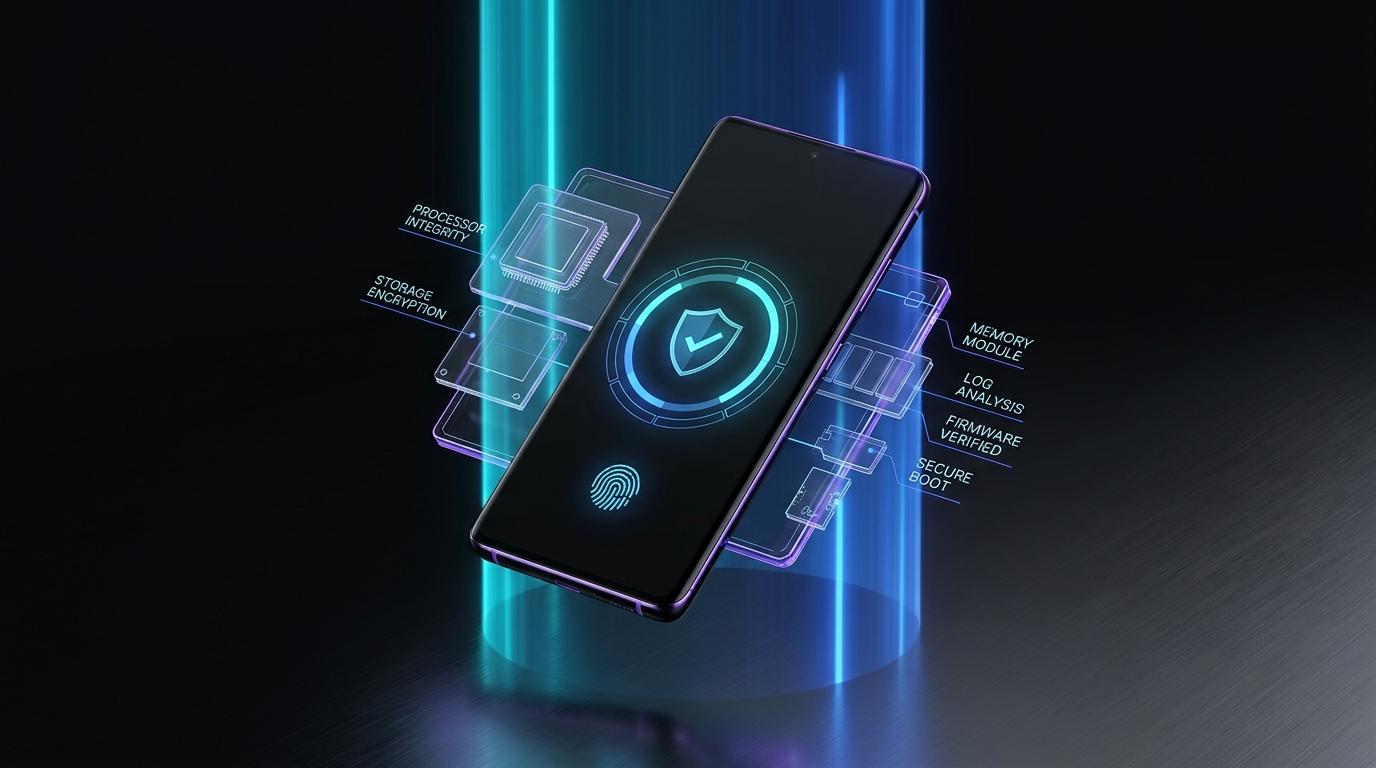
- Physical vs. Logical Extraction: Bitstream block-level copies vs. sandboxed API-level backups
- Secure Enclave Architecture: Hardware key derivation via Apple's SEP and Android's TrustZone TEE
- Volatile Memory Forensics: Preserving decrypted database keys from mobile RAM before shutdown
The Modern Smartphone as a Cryptographic Stronghold
In digital forensic investigations—whether involving corporate espionage, trade secret theft, or cryptocurrency wallet recovery—mobile devices hold the highest-density forensic evidence. Smartphones store private messaging databases (Signal, WhatsApp, Telegram), authenticator seeds, biometric tokens, and browser session artifacts.
However, modern smartphones running current versions of iOS and Android are the most rigorously encrypted consumer devices in human history. Hardware-backed File-Based Encryption (FBE) and dedicated hardware security coprocessors ensure that extracting data is an intricate scientific discipline governed by strict legal admissibility standards.
Logical vs. Advanced Physical Extraction
Forensic examiners categorize extraction into three hierarchical methodologies:
1. Logical Extraction: Communicates with the operating system via standard backup protocols (e.g. iTunes backup protocols or Android ADB). While reliable, logical backups only capture data that the operating system explicitly exposes, leaving deleted messages, hidden system logs, and application SQLite WAL files behind.
2. File System Extraction: Leverages software-level privilege escalation (such as checkm8 hardware exploits on legacy A-series processors or developer kernel vulnerabilities) to extract a complete copy of the `/private/var` file system, including application sandboxes and encrypted keychains.
3. Physical Extraction (Bitstream Image): Acquires an unadulterated block-level bitstream copy of the entire physical NAND flash memory. While physical dumps capture raw unallocated space containing deleted records, modern File-Based Encryption renders raw flash dumps completely unreadable unless the hardware cryptographic keys derived by the Secure Enclave are simultaneously acquired.
The BFU vs. AFU Paradigm and Memory Acquisition
The single most critical operational concept in mobile device forensics is the distinction between BFU (Before First Unlock) and AFU (After First Unlock):
- In the BFU state (immediately after device boot before passcode entry), all file-based encryption keys remain locked inside the hardware Secure Enclave. Only essential system services (like the cellular radio and emergency dialer) are operational.
- In the AFU state (the passcode was entered at least once since boot, and the phone is currently locked), the Class A and Class B master encryption keys have been derived by the Secure Enclave Processor (SEP) and reside in volatile RAM to allow background notifications and incoming communications.
Forensic laboratories place seized AFU devices into RF-shielded Faraday enclosures with continuous charging to prevent remote wipe commands while maintaining volatile RAM states for non-destructive memory acquisition.
"Mobile device forensics requires maintaining the device in AFU state within Faraday isolation. Physical extraction must pair bitstream NAND acquisition with hardware Secure Enclave key recovery."
Dr. Henrik Lindqvist
CFCE • Certified Forensic Computer ExaminerDirects complex technical investigations, court-admissible forensic reporting, and jurisdictional asset freezing actions across global institutional digital asset ecosystems.