SIM Swap Syndicates & Carrier Port-Out Attacks: Forensic Reconstruction of Telecom Identity Compromise
Analyzing insider carrier bribery, automated porting vulnerabilities, IMSI/ICCID change telemetry, and evidentiary preservation for litigation.
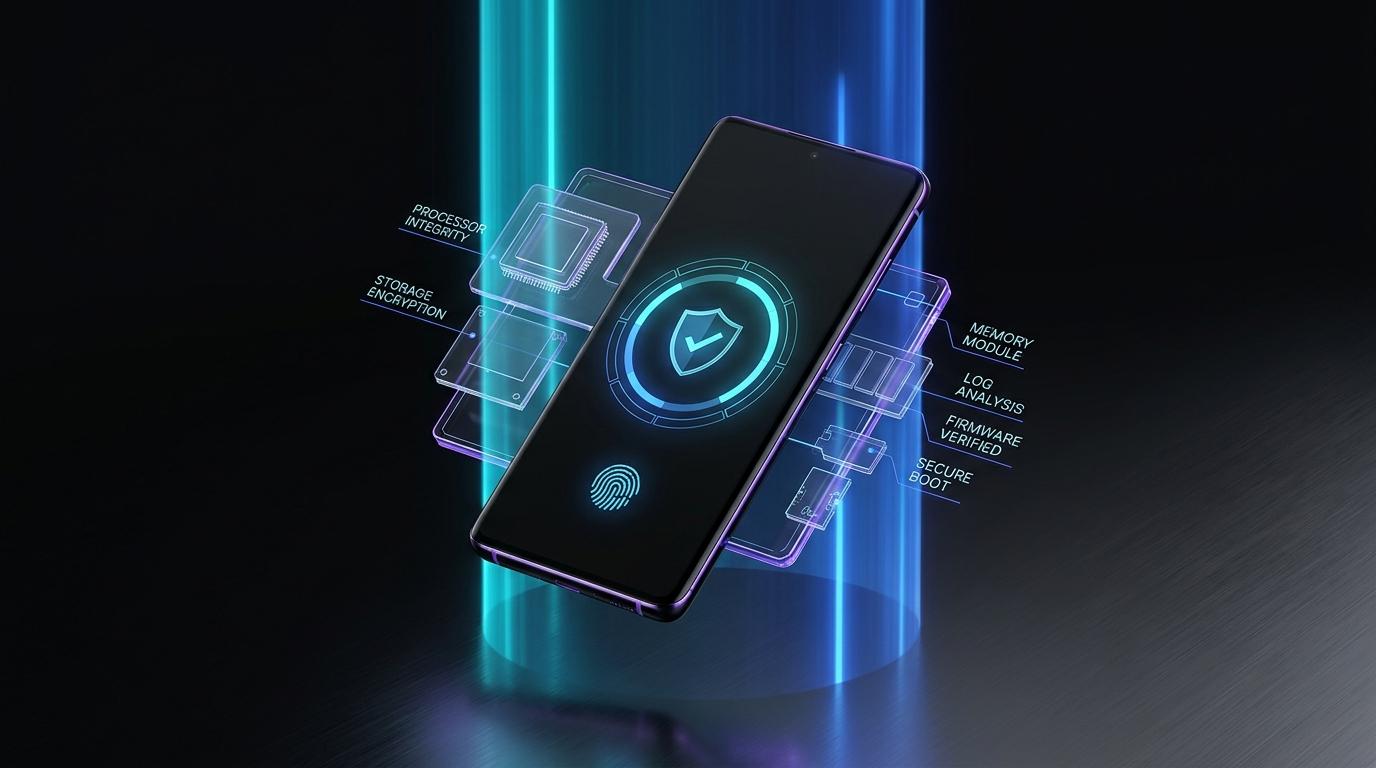
- Telecom Threat Vectors: Social engineering vs. retail carrier store insider collusion
- Network Telemetry: Tracking IMSI (International Mobile Subscriber Identity) change events
- Carrier Litigation: Preserving Call Detail Records (CDRs) for negligence claims against telcos
The Telecommunications Single Point of Failure
In the architecture of modern digital identity, the telephone number was never engineered to serve as an authentication credential. It was conceived as a routing identifier for copper telephone networks. Yet, over the past decade, financial platforms, cryptocurrency exchanges, and cloud email providers made mobile phone numbers the universal fallback anchor for two-factor authentication (SMS 2FA) and account recovery.
This architectural design flaw created a multi-billion dollar criminal ecosystem: SIM swap fraud. By taking control of a victim's phone number, an adversary inherits the ability to intercept one-time passcodes, reset master email passwords, bypass bank fraud alerts, and authorize high-value cryptocurrency withdrawals.
Attack Mechanics: Retail Social Engineering vs. Insider Bribery
SIM swapping occurs via two distinct operational models within telecommunications carriers (such as AT&T, T-Mobile, Verizon, or Vodafone):
1. Retail Store Social Engineering: Attackers present fraudulent physical identification (counterfeit driver's licenses or passports) at retail carrier locations, claiming their phone was lost or damaged and requesting an immediate SIM card replacement.
2. Insider Threat Collusion: Well-financed cyber syndicates actively recruit and bribe retail employees and customer service representatives via Telegram forums. In exchange for payouts ranging from $500 to $2,000 per target, rogue carrier employees utilize internal customer provisioning software (such as QuickView or POS portals) to reassign the target MSISDN (phone number) to an attacker-controlled SIM card without requiring customer verification PINs.
Telecom Forensic Telemetry: IMSI and ICCID Analysis
In post-incident forensic investigations, establishing legal proof of an unauthorized SIM swap requires extracting and analyzing cellular carrier network telemetry:
Every SIM card contains an integrated circuit card identifier (ICCID), and every subscriber account is mapped on the carrier's Home Location Register (HLR) or Home Subscriber Server (HSS) to an International Mobile Subscriber Identity (IMSI).
When an unauthorized port occurs, the timestamped binding between the victim's MSISDN and the original IMSI is severed and bound to a new IMSI/ICCID pair. Telecommunications forensic examiners subpoena the carrier's internal provisioning audit logs, extracting:
- The exact employee user ID or API endpoint that initiated the SIM change.
- The IP address or physical retail store terminal ID where the request originated.
- The base transceiver station (cell tower) and cellular antenna sector that first authenticated the new SIM card onto the cellular network.
Emergency Incident Response & Carrier Negligence Litigation
For victims confronting an active SIM swap, containment must be executed immediately across both telecom and identity perimeters:
1. Emergency Carrier Suspension: Contact the cellular carrier's specialized fraud unit from an alternate, secure line. Request an immediate 'Account Lock' and 'SIM Freeze', preventing further SIM changes or number port-outs without in-person photo notarization.
2. Primary Email and Exchange Invalidation: Immediately revoke all active sessions on master email accounts (Google, Microsoft) and request temporary trading freezes on all major cryptocurrency exchange accounts.
3. Preservation of Call Detail Records (CDRs): Serve the carrier with an immediate formal legal preservation letter demanding preservation of all Call Detail Records, cell site location data, and retail store CCTV footage surrounding the porting timestamp.
4. Carrier Liability Litigation: Under Section 222 of the US Communications Act and European GDPR regulations, telecommunications carriers have a statutory duty to protect Customer Proprietary Network Information (CPNI). VaultGuard frequently partners with litigation counsel to utilize forensic telemetry in legal proceedings against carriers whose negligent retail verification protocols directly enabled catastrophic asset loss.
"Eliminate SMS 2FA across all critical financial and identity platforms in favor of hardware security keys (YubiKey). If a SIM swap occurs, immediate IMSI forensic preservation is required to establish carrier liability."
Julian Thorne
CISSP • GIAC Certified Incident Handler (GCIH)Directs complex technical investigations, court-admissible forensic reporting, and jurisdictional asset freezing actions across global institutional digital asset ecosystems.