Subpoena Mechanics & Cross-Border Freezing Orders: Bridging Private Forensics with Judicial Seizures
A legal-technical breakdown of 18 U.S.C. § 2703(f) preservation, 28 U.S.C. § 1782 discovery orders, and DIFC Worldwide Freezing Orders.
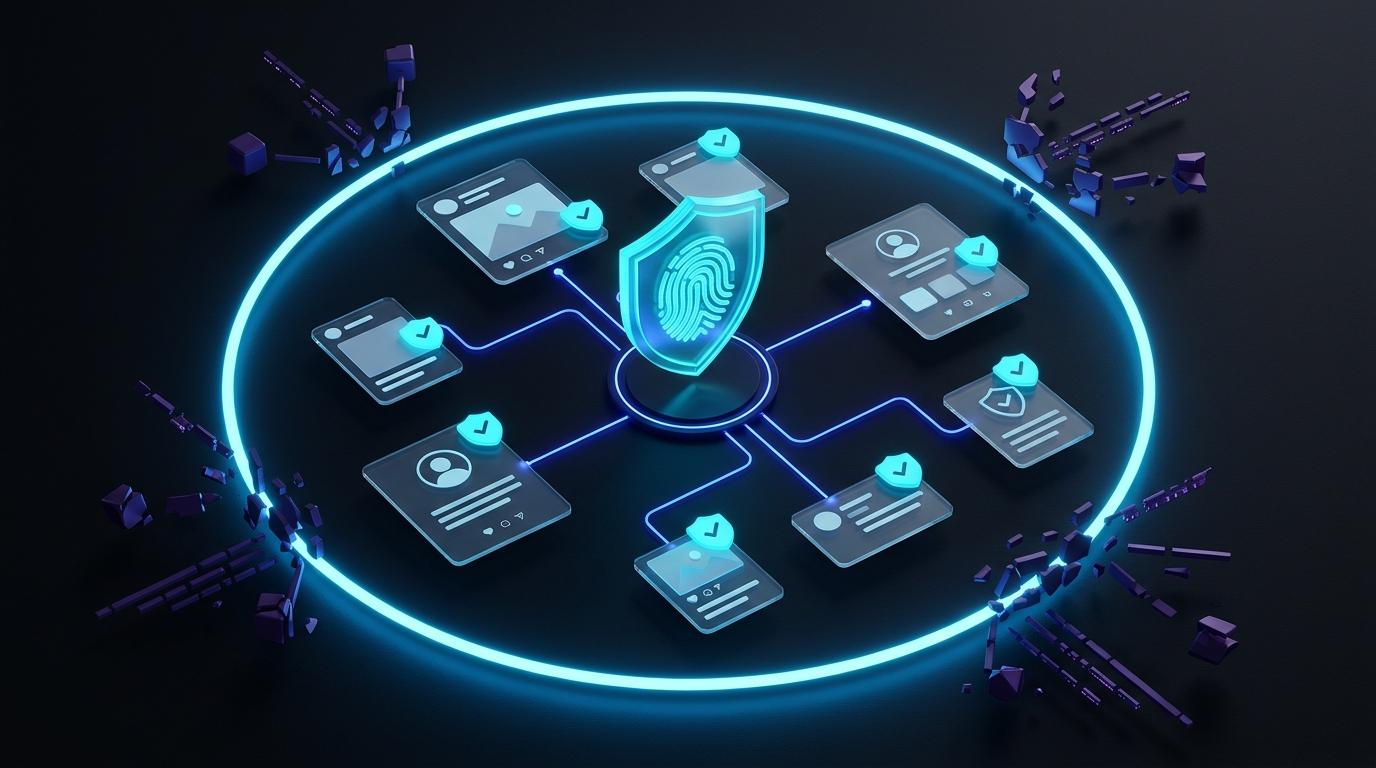
- 18 U.S.C. § 2703(f) Letters: Legally compelling cloud providers and exchanges to preserve 90-day evidence
- 28 U.S.C. § 1782 Petitions: Compelling US discovery in aid of foreign litigation and asset recovery
- Worldwide Freezing Orders (WFOs): Enforcing English and DIFC common-law injunctions against anonymous crypto wallets
The Convergence of Blockchain Analytics and Jurisdictional Law
A fundamental divide exists between technical cybersecurity capabilities and legal enforcement. A blockchain forensic investigator can trace stolen cryptocurrency through fifteen mixers, identify the ultimate recipient exchange deposit address, and pinpoint the exact timestamp of arrival. However, without lawful judicial authority, a private investigator cannot compel a centralized exchange to surrender account records or transfer frozen capital.
Conversely, commercial litigation attorneys understand court procedure, statutory discovery, and civil injunctions, but often lack the deep on-chain technical proficiency required to translate complex cryptographic state proofs into evidentiary filings that satisfy federal judges.
VaultGuard bridges this jurisdictional divide. We construct forensic dossiers specifically engineered to withstand judicial scrutiny in civil fraud actions, criminal proceedings, and international cross-border asset recovery mandates.
Preservation Instruments: 18 U.S.C. § 2703(f) and Emergency Notices
In cybersecurity investigations, electronic evidence is fragile. Cloud service providers, email hosts, and digital asset exchanges routinely purge server access logs, IP connection tables, and ephemeral session data within 30 to 90 days under automated data retention policies.
In the United States, 18 U.S.C. § 2703(f) provides a powerful preliminary mechanism. Under this federal statute, law enforcement agencies (frequently prompted by accredited private forensic dossiers submitted on behalf of victims) can issue an official preservation request directing an entity to freeze and preserve all stored wire and electronic communications, records, and KYC telemetry for a mandatory 90-day period.
In civil proceedings where formal law enforcement intervention is unavailable or delayed, litigation counsel issues formal Spoliation Letters and emergency Preservation Notices directly to corporate compliance directors, putting the institution on legal notice that deleting target account telemetry constitutes civil contempt.
Worldwide Freezing Orders (WFO) in Common Law Jurisdictions
The legal systems of England & Wales, Singapore, and the Dubai International Financial Centre (DIFC) have established some of the world's most progressive precedents regarding digital asset litigation.
Courts in these jurisdictions routinely grant Worldwide Freezing Orders (WFOs) and Bankers Trust Orders against 'Persons Unknown'. A Bankers Trust Order legally compels an intermediary cryptocurrency exchange to disclose the full KYC identity, physical address, email correspondence, and banking details of the account holder associated with a specific deposit address.
To secure an ex parte WFO, applicants must satisfy a rigorous four-prong legal test: establish a serious arguable case on the merits, demonstrate that the assets held by the respondent belong to the applicant, prove a real risk of dissipation, and show that granting the injunction is just and convenient. VaultGuard's forensic trace dossiers provide the unrefuted mathematical proof of asset ownership and dissipation velocity required to satisfy this high legal threshold.
International Discovery via 28 U.S.C. § 1782
When litigation is pending in a foreign jurisdiction (such as Switzerland, the UK, or the UAE), but critical evidence or corporate headquarters are domiciled in the United States (such as Apple, Google, Microsoft, or US-regulated crypto exchanges), litigants utilize 28 U.S.C. § 1782.
Section 1782 allows an 'interested person' in a foreign or international proceeding to petition a US Federal District Court to issue subpoenas compelling deposition testimony or document production from US entities for use in the foreign dispute.
By deploying § 1782 petitions supported by certified forensic affidavits, our legal partners have successfully compelled US technology giants to unmask the IP addresses, recovery email accounts, and identity credentials of sophisticated threat actors operating overseas.
"On-chain analytics must be paired with structured civil discovery instruments. Adherence to ISO/IEC 27037 standards ensures that technical trace evidence translates directly into enforceable judicial freezing orders."
Dr. Henrik Lindqvist
CFCE • Certified Forensic Computer ExaminerDirects complex technical investigations, court-admissible forensic reporting, and jurisdictional asset freezing actions across global institutional digital asset ecosystems.